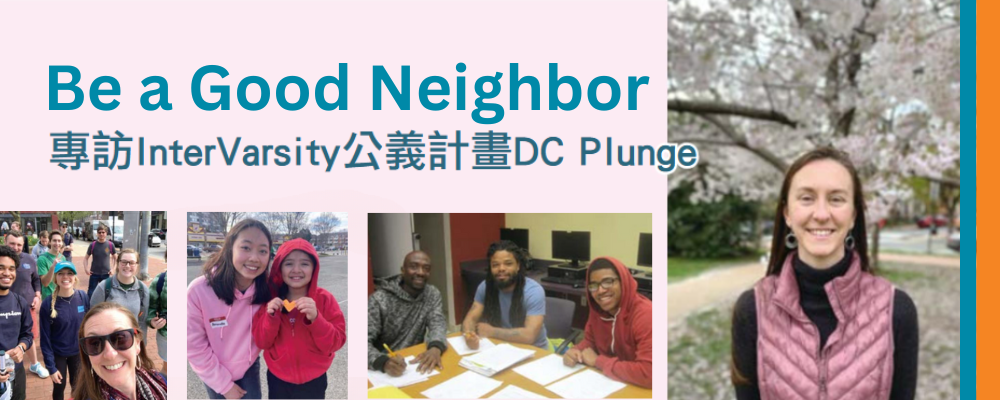
Be a Good Neighbor — An Interview with InterVarsity’s Justice Program DC Plunge
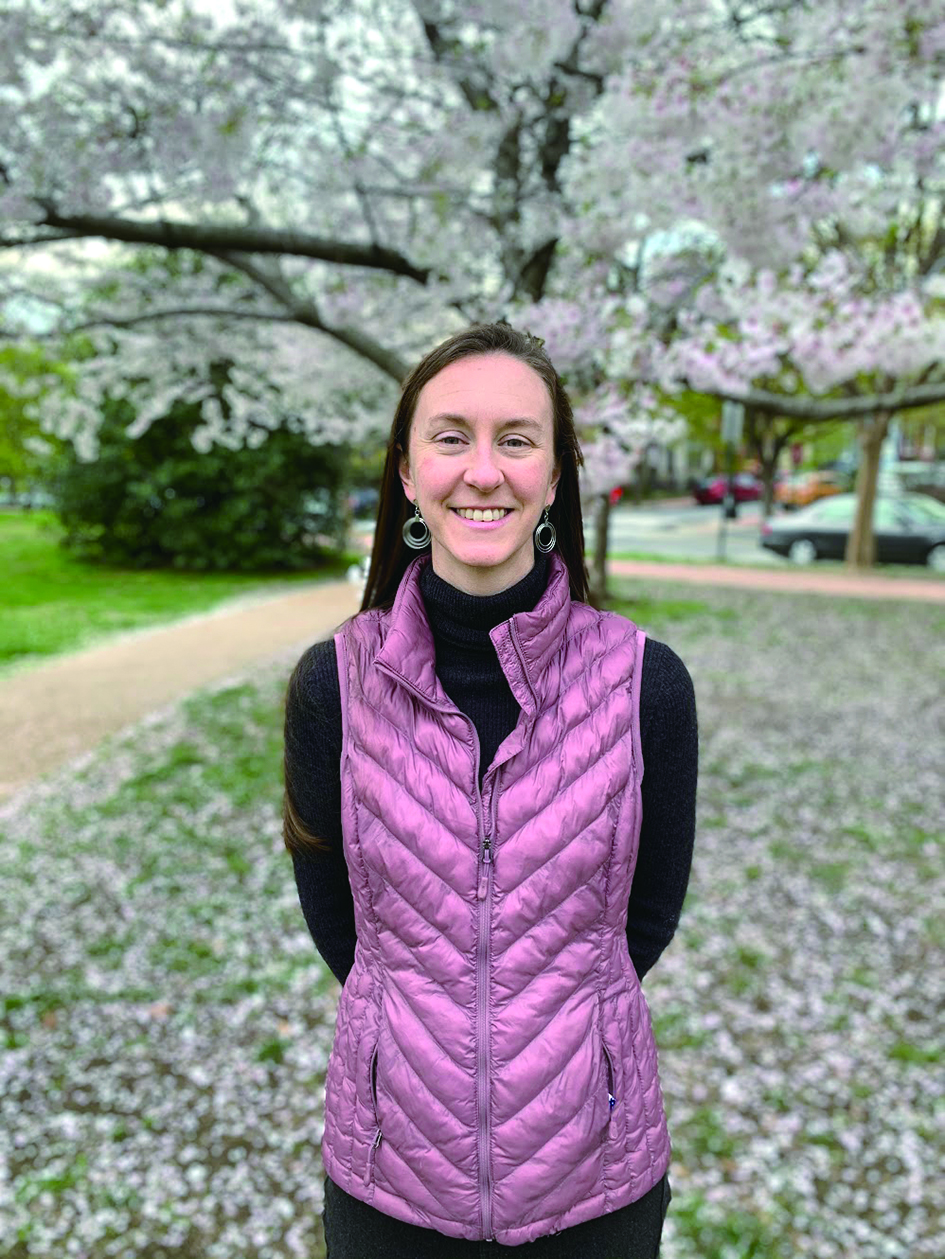
Interviewee/photo credit: Kate Denson. Interviewer : Linda Pang
Does social justice equal progressivism, liberal views, and left-wing politics?
"I prefer to use the term shalom — it speaks of right relationships, of caring for the marginalized... it's a holistic vision." This reflects Kate Denson’s perspective and conviction regarding the term “social justice,” which she sees as often overly politicized.
Kate Denson, National Director of Justice Programs at InterVarsity (IV), leads the annual DC Plunge program in the U.S. capital, Washington, D.C. For years, she has guided college students from Pennsylvania, Maryland, Virginia, and the D.C. area into local neighborhoods to experience and engage firsthand what social justice truly means.1
In her conversation with us, Kate Denson opens up about the vision behind the DC Plunge and her desire to see Christians embody social justice — not merely as givers, but also as receivers; not only becoming good neighbors, but also allowing themselves to be neighbored.
What can we do to make our community better?
Naturally introverted, Kate discovered the joy of serving others through a short-term missions trip she joined as a teenager. In college, she joined an InterVarsity (IV) Bible study group and began leading a small group starting her sophomore year. Wanting to better respond to the many questions her group members asked, she committed herself to growing in both the knowledge and practice of her faith.
In her sophomore year, Kate helped organize an InterVarsity summer mission trip to a declining urban neighborhood in New Jersey. Mornings were spent doing cleanup work, and afternoons were devoted to tutoring in an after-school program. The local leader and his housemates — all in their twenties — had responded to the **New Monasticism** movement by relocating to this underserved community, a place without restaurants, far from glamorous, and marked by poverty. They were committed to being good neighbors in the most tangible ways.
The power plant in the area caused severe air pollution, and many residents suffered from asthma and other respiratory illnesses. The leader and his housemates didn’t go to the power plant to protest or demand that it shut down. Instead, they asked, “What can we do together to change this situation and make the community better?” Their goal was to be good neighbors — to build a bridge between the plant and the residents. As a result, they were given a plot of land, which they transformed into a community garden.
Kate was deeply inspired — she realized that the Christian life isn’t just about all the things we CAN'T do, but also about all the things we CAN do to live out our faith among our neighbors. After graduating from college in 2007, she and a few sisters moved into the Anacostia neighborhood in Southeast D.C. and joined InterVarsity. She went on to serve as campus staff at Georgetown University and George Washington University. Since 2012, she has also led InterVarsity’s Justice Program in D.C., bringing students into underserved neighborhoods during spring and summer breaks to serve and learn.
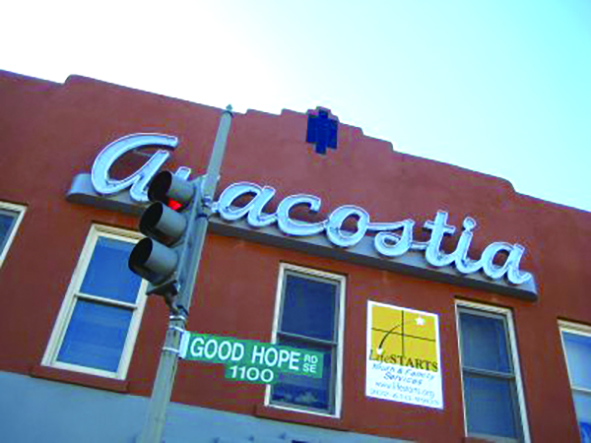

where they learn not only to become good neighbors, but also to open themselves up to ”being neighbored“ — to receive as well as to give.
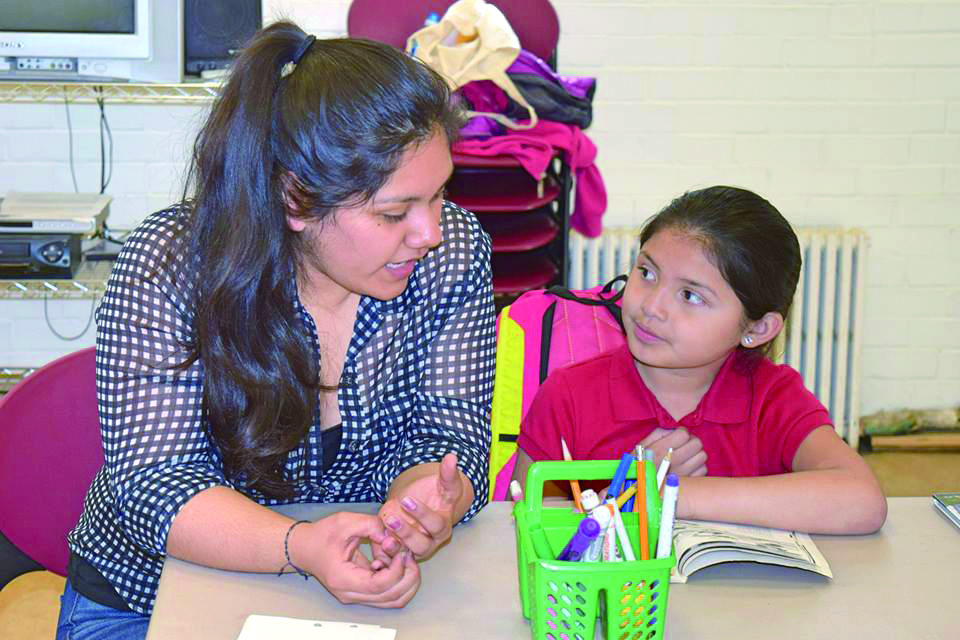
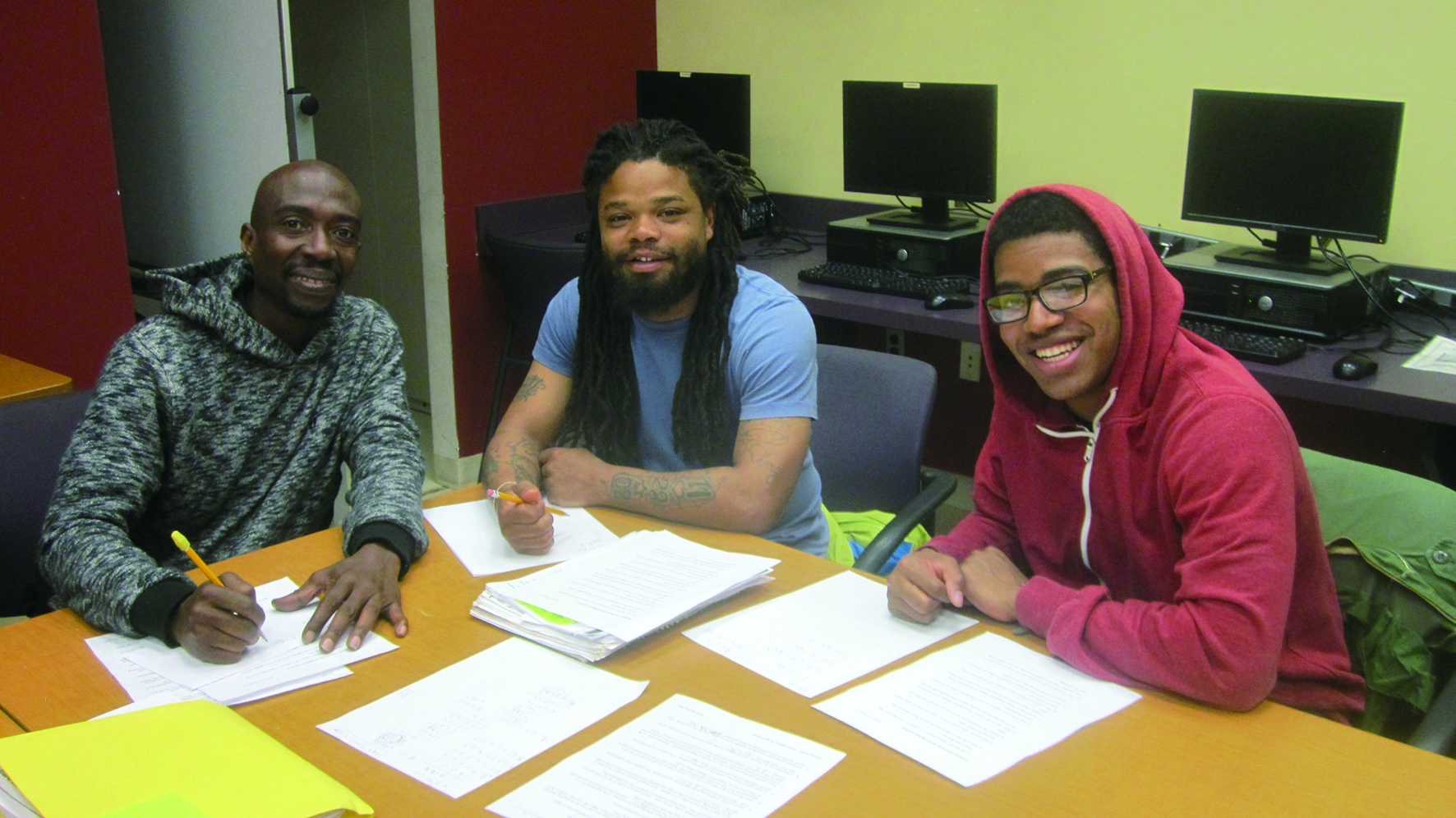
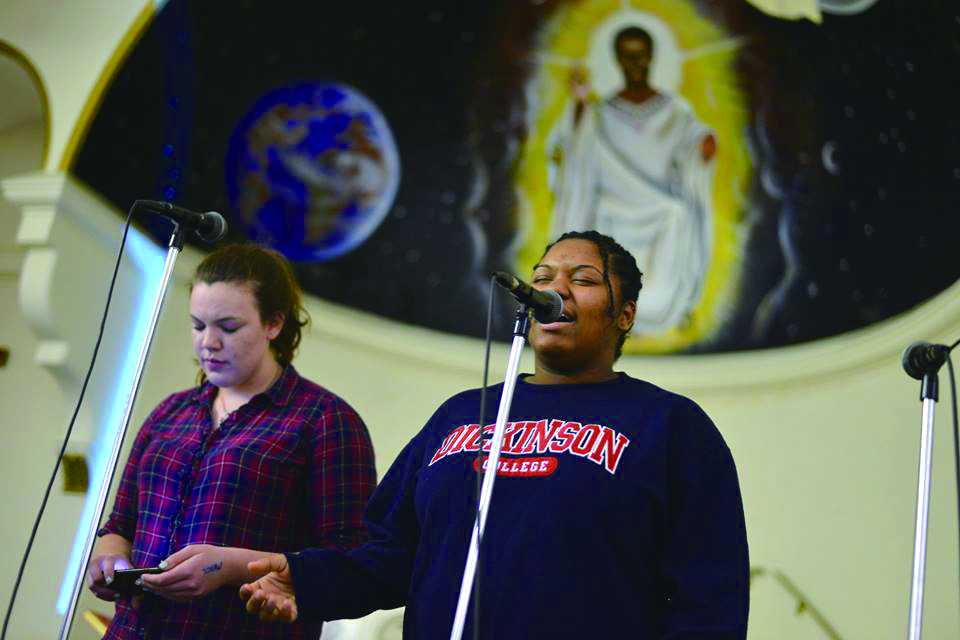
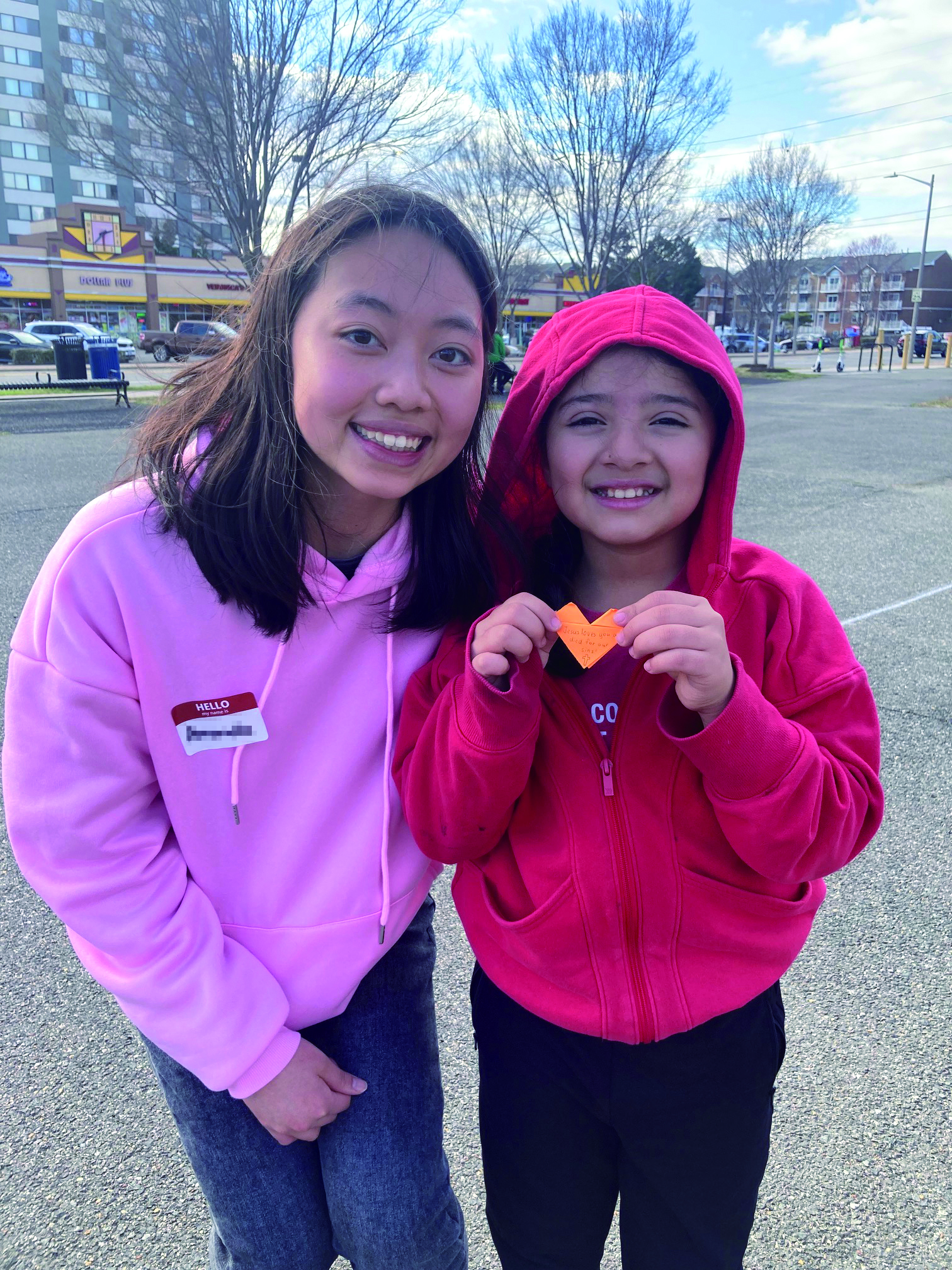
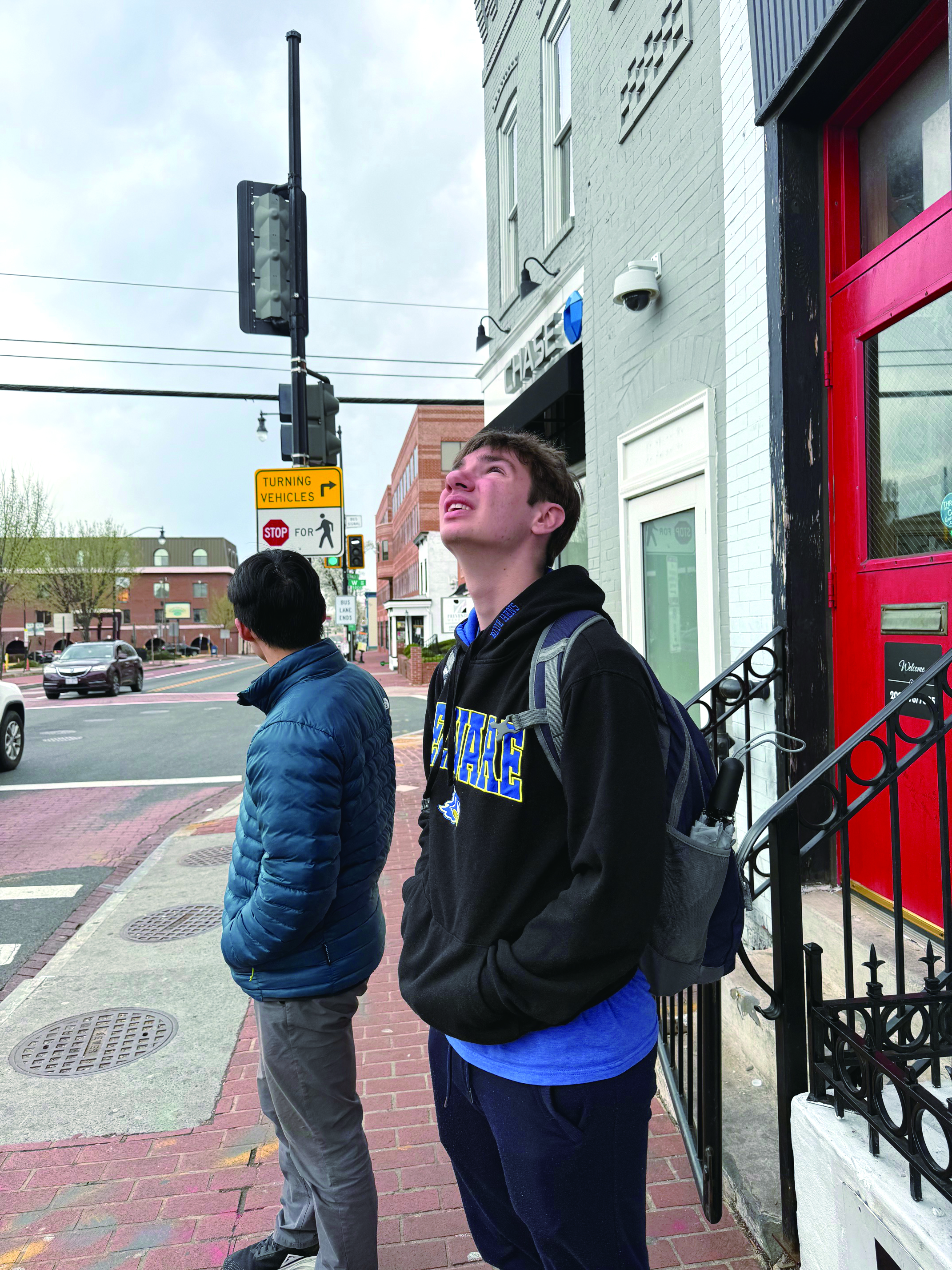
to be served.
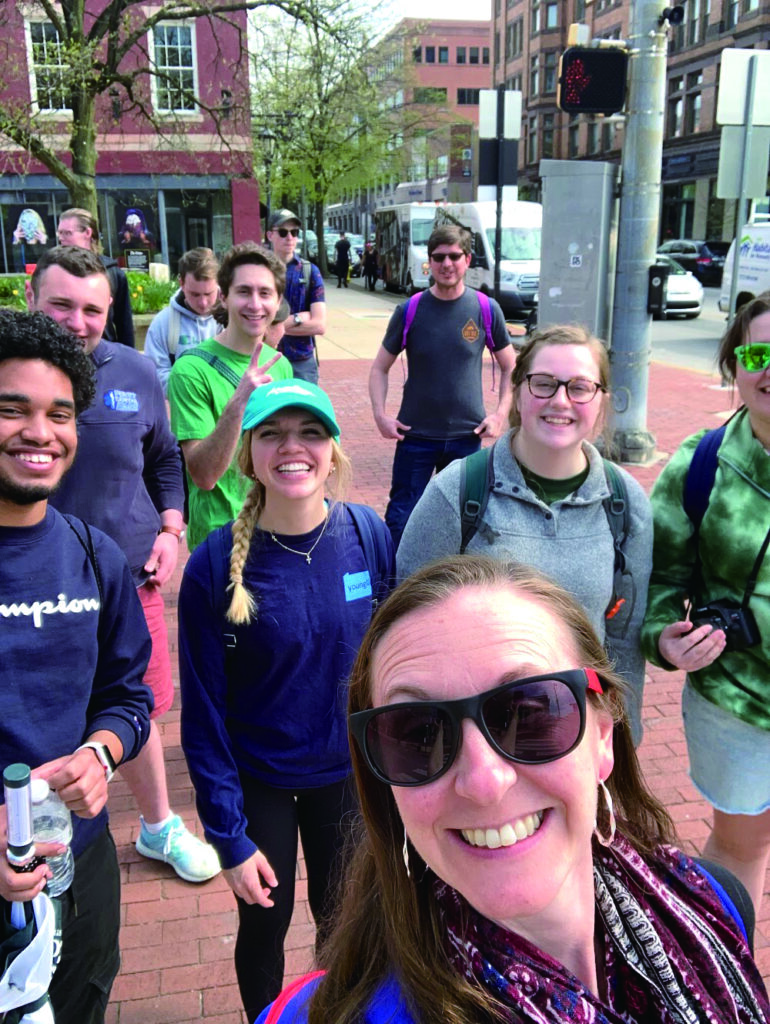
learning to treat others with dignity and to grasp the fullness of what shalom truly means.
Respect others, serve, and be served.
“We bring students into local communities and neighborhoods to be good neighbors and live out the gospel.” (InterVarsity Justice Program) When people hear the word “service,” they often think of physical service — cleaning streets, painting houses, tutoring kids, and so on. But when Kate Denson leads these programs, she places the emphasis on relational service — serving others by treating them with dignity and respect.
She says, “If you don’t treat people with respect, they won’t care whether you’re painting houses or cleaning the streets.” She also hopes that students won’t come just to “do charity” or check off volunteer hours, but that they will return to their own communities and continue being good neighbors there.
InterVarsity’s Justice Program in the D.C. area includes the annual Plunge, held during spring break in three to four sessions, each lasting one week and involving 15 to 30 students. During the summer, the program runs Bridge, a month-long experience with a smaller group of 3 to 4 students per session. Throughout these programs, Kate and her team live alongside the students in the communities they serve — Plunge takes place in Anacostia, Southeast D.C., while Bridge brings students into Chirilagua, a neighborhood in Northern Virginia.
During the program, students explore God’s heart for justice through Scripture and learn to serve by following the example of Christ. Kate Denson also developed the Five R’s, which serve as the foundational pillars of the experience.
- Receive — Service is not just about giving, but also about receiving. Students are sent out in pairs with lunch money and a bus pass, but no access to Google Maps. Their task is to reach a designated neighborhood in D.C., which means they have to rely on strangers for directions — and willingly receive help from others.
- Respect — Not with a posture of superiority that says, “I’m here to help you,” but with humility that asks, “What can I do for you?” Students are encouraged to practice this by greeting people in the community with respect, addressing them as “Sir” or “Ma’am” when engaging in conversation.
- Risk — Low-income neighborhoods are often stereotyped as rundown and dangerous, with high crime rates. Entering these areas can feel risky. Kate challenges students to take the risk of greeting people on the street and initiating conversations. The message they are sending is: “I’m glad to be here. I’m not afraid.”
- Recognize — In communities marked by poverty, it’s easy to focus only on what is broken or dirty. But with intention, one can also recognize beauty. Students are encouraged to look for signs of care and creativity: a striking mural, a well-tended garden, or people on the street dressed with dignity — all signs that residents take pride in their neighborhood. They also practice giving affirmation — for example, thanking the choir after hearing a beautiful song in church.
- Rejoice — Serving others doesn’t always have to feel burdensome, nor does rest only begin after the work is done, when you're back with your friends. Kate wants students to realize that this very moment can be a time of joy, praise, and delight. She says, “In the Kingdom, God calls us to be a community — some have much, some have little. And yet we can still worship joyfully together and learn from one another.”
Let your attitude change — and practice justice in everyday life.
As of 2025, DC Plunge has been running in Anacostia for 19 years, with over a thousand students having participated. St. Teresa of Avila Church provides the gathering space, and both the priest and congregation warmly welcome each group of students — often acknowledging them by name during Sunday worship. This spirit of hospitality is something Kate has experienced personally.
Though naturally introverted, Kate had been using the church building as her office for some time — coming and going with minimal interaction. But the priest made a point to greet her, invited her to attend church meetings, and encouraged her to contribute more to the life of the church. Gradually, she began to engage in conversation and build relationships. When the time came for her to connect with others in the community or collaborate with local organizations, her relationship with St. Teresa’s Church often opened doors — leading to immediate acceptance and support.
She came to see that everyone has needs — just different kinds of needs, and everyone has something to give — though what they offer may vary. This realization helped her understand that true dialogue and relationship begin with an open heart, and with humility and love. It means approaching others as whole persons, worthy of dignity and honor. Those who serve do not come to “save,” but to learn from one another and to serve one another.
Students who participate in DC Plunge come from a wide range of interests and academic backgrounds — some even major in political science or international affairs. After experiencing such an immersive justice-focused program, perhaps one day, they will help shape policies that promote community development and social equity — informed by the relationships and experiences they formed here.
Kate responds, “That would be wonderful if it happens!” But she explains that influencing policy is not the primary goal of the Justice Program. What she hopes for even more is that each student — whether back on campus, in their social circles, or eventually in the workplace — continues to live out the principles and posture they learned through Plunge: to be a good neighbor, treating others with dignity and honor. For example, a student pursuing scientific research might begin to ask whether their chosen topics, grant applications, or career advancement decisions benefit only a privileged few — or whether they are sensitive and courageous enough to recognize injustice and recalibrate their work toward fairness and equity.
Kate hopes that through Plunge, a new generation of students will rise up to care for their neighbors in the way of Jesus. InterVarsity’s Justice Program doesn’t follow cultural trends or political agendas. As Kate puts it: “We do this because the Bible tells us to.”
Peace with God, with others, with self, and with creation.
Many people may equate justice with charity — assuming that acts of compassion for the poor automatically fulfill the call to do justice. It’s true that InterVarsity’s Justice Programs include charitable components. For example, the Plunge in West Virginia takes students into underserved rural communities to serve.
And yet, D.C. is the nation’s capital — the center of political power, with clean streets lined with flowers in every season. Could this place really need “justice,” or even “charity”?
Kate explains, “Some communities have been left behind by the wealthy and powerful. You don’t see them on the map... and tourists don’t go there.” Anacostia, where the DC Plunge takes place, is one such community.
Traveling along the iconic Pennsylvania Avenue, you start in the Northwest quadrant with the White House, pass by Capitol Hill, and take in the stately limestone government buildings and charming cafés. In this part of the city, the average household income is $140,000. But continue heading southeast — across the Anacostia River — and the view changes dramatically. Homes over a hundred years old show signs of wear. There’s no metro access. Just one supermarket serves the area. Over 90% of the residents are African American, with an unemployment rate of 16%, and 50% of the children live in poverty. The average household income drops to $48,000.2 A newly built sports center boasts top-tier facilities and training programs — but many residents from the other side of the river hesitate to come across and use it.
This area was once home to many white residents, but after segregation laws were abolished, most of them moved away. Ironically, it was here that Frederick Douglass, the 19th-century abolitionist leader, chose to spend his final years. Could he have imagined that a full century after the Civil War, the Anacostia River would still mark such a deep divide — that white residents would avoid crossing it, while Black residents would have to struggle just to make it across?
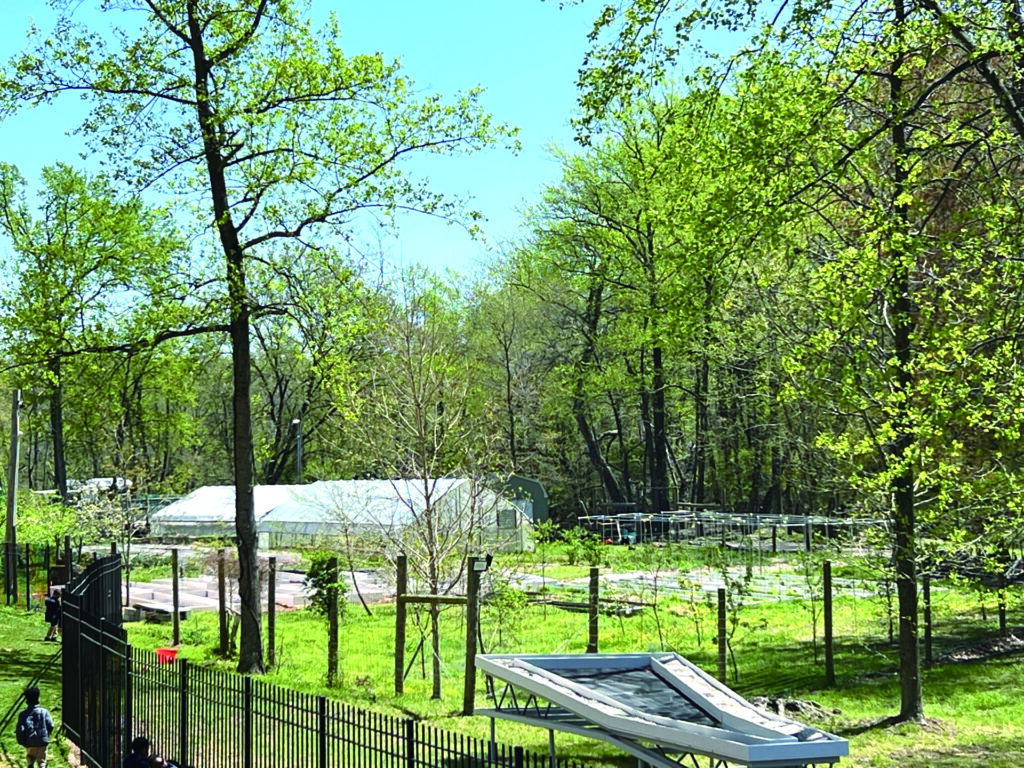
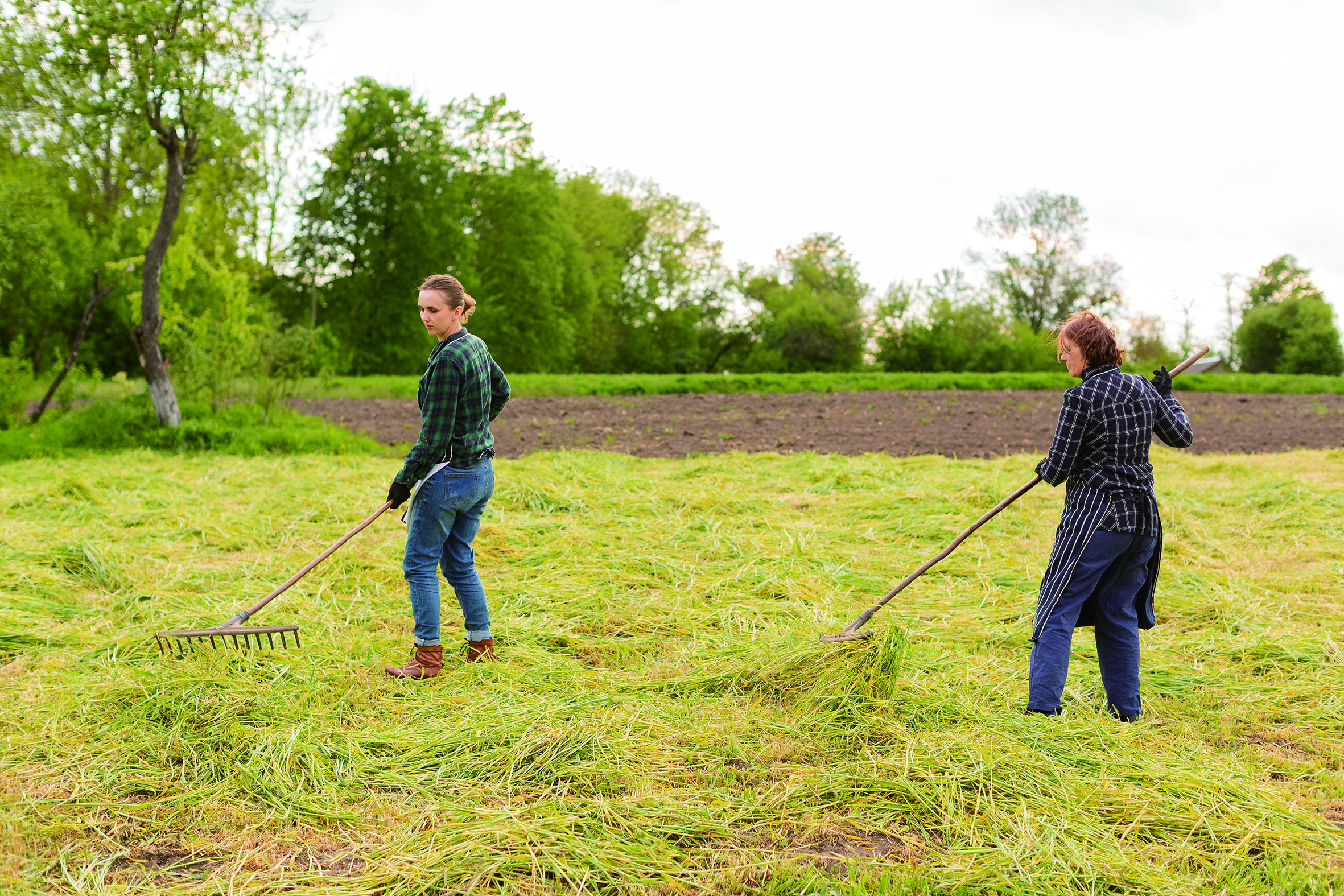
Kate doesn’t just lead students to witness the needs of the community — she also takes them to THEARC Farm. In the early spring, when the air is still crisp and planting season has yet to begin, students — more used to holding books and laptops — put on gloves and help with weeding and tilling the soil. To increase access to healthy food for local residents, farmers have worked together to cultivate this community garden. But they do more than grow produce — they also teach gardening skills and share knowledge about preparing nutritious meals.
As the college students engaged with both people and the land, they began to realize that doing “charity” was only part of the picture. True shalom — wholeness — comes when our relationships are made right on four levels: with God, with ourselves, with others, and with creation.
That’s what justice truly means.
You’re finally back!
Under Kate’s leadership, DC Plunge continues to thrive — but not without its challenges. Some students have never talked about racism with people of a different race. It's a very different experience than when white students talk about race among themselves, or when Asian students do the same within their own circles. It’s only through Plunge that many begin to realize: poverty is not just about low household income — it’s also about a lack of opportunity and access to resources within a community.
At the same time, both in broader culture and within the church, the term “justice” has become overly politicized — leading to assumptions like “social justice = progressivism = liberalism = leftist ideology”. As a result, many shy away from discussing it at all. But Kate firmly believes that the Lord is a God of justice, and that He delights in justice. As followers of Christ, she says, we must keep talking about it, keep paying attention, and keep practicing it — in whatever ways we can.
InterVarsity has nurtured many Christian student leaders — young people who care for others, lead Bible studies, and encourage one another to grow spiritually even as they pursue academic excellence. Kate hopes that students don’t have to wait until they join Plunge to engage with justice. Instead, she longs to see more conversations about justice happening in their churches and among friends — where they can begin to name the injustices around them and adjust the way they treat others accordingly.
One group after another leaves Plunge with their perspectives changed. They become more willing to serve the marginalized with a posture of respect. To them, being a Christian is no longer something that happens only in church — it becomes something to live out anytime, anywhere.
Kate recalls a Chinese American student from Georgetown University — Lingling (a pseudonym) — who was very shy and quiet, but incredibly diligent. She participated in the month-long Bridge program over the summer, which required her to go to the park every day to talk with local residents, most of whom were Latino, and build friendships. By the end of the program, Lingling had become something of a Pied Piper — the moment she stepped into the park, a crowd of excited, bouncing children would follow closely behind her.
Year after year, Kate and her students show up in the community. At the start of one Bridge, as they were pulling bedding out of the storage room, a group of boys — around ten years old — came running toward them, shouting excitedly, “You’re back! You’re back!” They couldn’t wait to play soccer with the college students again.
Be a good neighbor — and be neighbored.
“He has shown you, O mortal, what is good. And what does the Lord require of you? To act justly and to love mercy and to walk humbly with your God.” — Micah 6:8 (NIV)
Micah 6:8 is a verse well known to many Christians.
We also see in the Mosaic Law that God calls His people to treat one another with fairness, justice, mercy, and kindness — including those who are vulnerable or marginalized.
After a full day of walking through the neighborhood and engaging in activities, Kate invites the students to reflect using a large “Shalom Chart.” She asks them to consider what they’ve seen and heard: In the lives of the people you encountered today, where do you see brokenness in relationships? She also encourages them to use their spiritual imagination: What might restoration look like? What would it take for these relationships to be healed? How can we affirm each person’s God-given wholeness and beloved identity?
To be a good neighbor is ultimately to honor others — because they are created and deeply loved by God. Justice is not a zero-sum game, where something is taken from one to give to another. Rather, justice is a win-win — a shared participation in God’s abundance.
As Kate drives through the streets of Anacostia, she passes by Boone Elementary, a partner school for Plunge. She remembers her early days in the neighborhood, when she first volunteered at the school. Back then, the principal, teachers, and other volunteer moms took her under their wing, guiding this young woman in her early twenties as she got to know the school and its students.
What Kate emphasizes — not only giving, but also receiving; not only being a good neighbor, but also being neighbored — is more than just a principle. It’s a conviction shaped by her own lived experience.
As she drives past Anacostia Park — a national park hidden in an urban area — Kate notes its value as a beloved outdoor space for the neighborhood. Yet the dense trees surrounding it make it hard to see from the roadside; few would guess there's such a large park tucked away behind the greenery.
In this "home of the brave," there are still those committed to proclaiming and practicing justice.
Kate remembers what the park looked like when she first moved to the area twenty years ago. It was in much rougher shape — the trails were lined with dead branches, fallen leaves, and all kinds of trash. Back then, she met Nathan, a Quaker brother around her age, who worked as a teacher during the week and spent his weekends cleaning up the park. Kate eventually started bringing Plunge students to help him. As they worked, she often wondered: Does this even make a difference? How long will it take before this park actually looks clean and cared for?
Year after year, Nathan continued loving his community in this simple, faithful way. And year after year, Kate brought students to join him in what sometimes felt like a mountain-moving task. Who would have imagined that, twenty years later, Nathan would actually clear those trails? Today, his cleanup efforts have grown into a nonprofit organization, drawing more volunteers — and Nathan himself now leads visitors on guided walks through the very paths he once cleaned by hand.
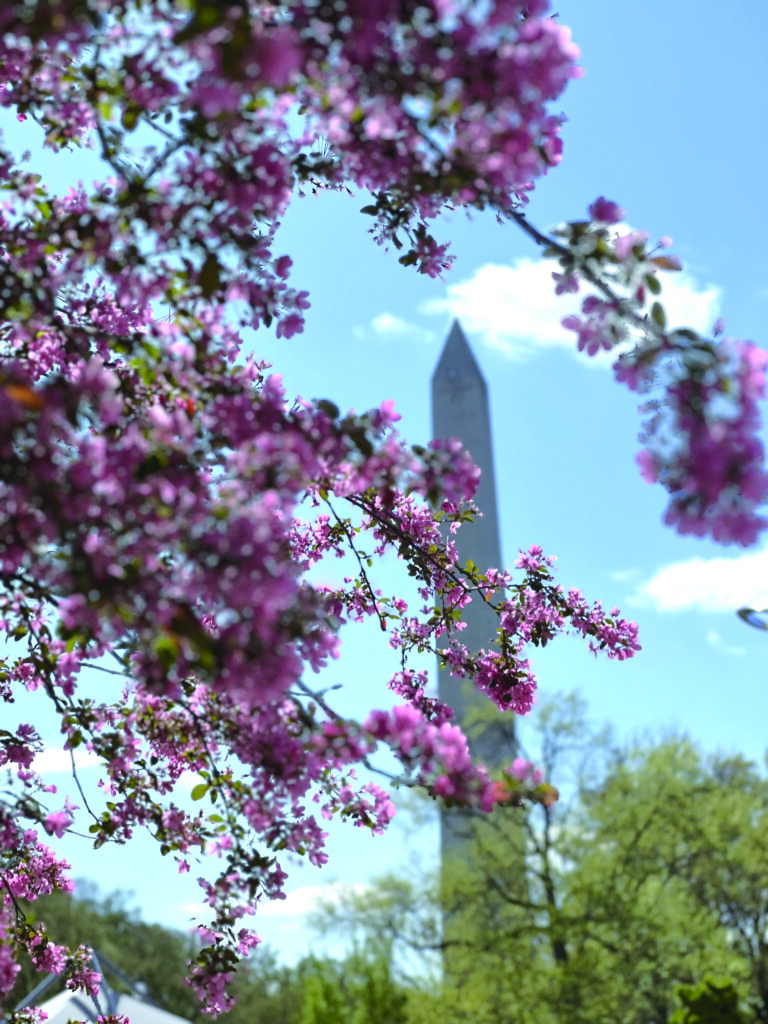
Across the Anacostia River, the pointed spire of the Washington Monument rises into the sky. From another angle, you can just make out the dome of the U.S. Capitol. The American national anthem proclaims this to be “the land of the free” and “the home of the brave.” And even though injustice still runs deep in the broader society, there are countless individuals committed to proclaiming and practicing justice — each doing their part in a task so immense, it feels like moving mountains.
But it all begins with something small — clearing a single branch, mentoring a single student, offering kindness, and humbly receiving it. Wherever we are, and at any time, we can act justly, love mercy, and walk humbly with God — becoming good neighbors along the way.
Note:
- For more information about InterVarsity’s Justice Programs and the DC Plunge, visit:https://midatlantic.intervarsity.org/justiceprograms.
- Data Source:https://www.jpmorganchase.com/newsroom/stories/bridging-divide-in-washington.
Interviewee Profile
Kate Denson, InterVarsity National Justice Programs Director, has been on staff with InterVarsity Christian Fellowship since 2007. She has served as campus staff at Georgetown and George Washington Universities in Washington DC and has directed the Washington DC Justice Program since 2010. She has been a licensed DC tour guide since 2013 and developed her own small business “Justice Walks DC” where she leads walking tours for local schools, churches, and workplaces that experientially engage current and history justice realities. She has a masters from Fuller Seminary.
The thing I’m most thankful for in my life
如果問我甚麼是此生最感恩的事,回答一定是:生命裡遇見許多寶貴的朋友。 這些朋友和我有許多美…Old Friends
感謝社群媒體強大的搜尋和連結功能,在與老同學失聯許多許多年後,陸續「被找到」。2025年初…Love to Hear You Speak
工作坊學員回應 一、手機短影音製作 學這個很有趣!這堂課上完,我把遺忘已久的照片都找出來,…