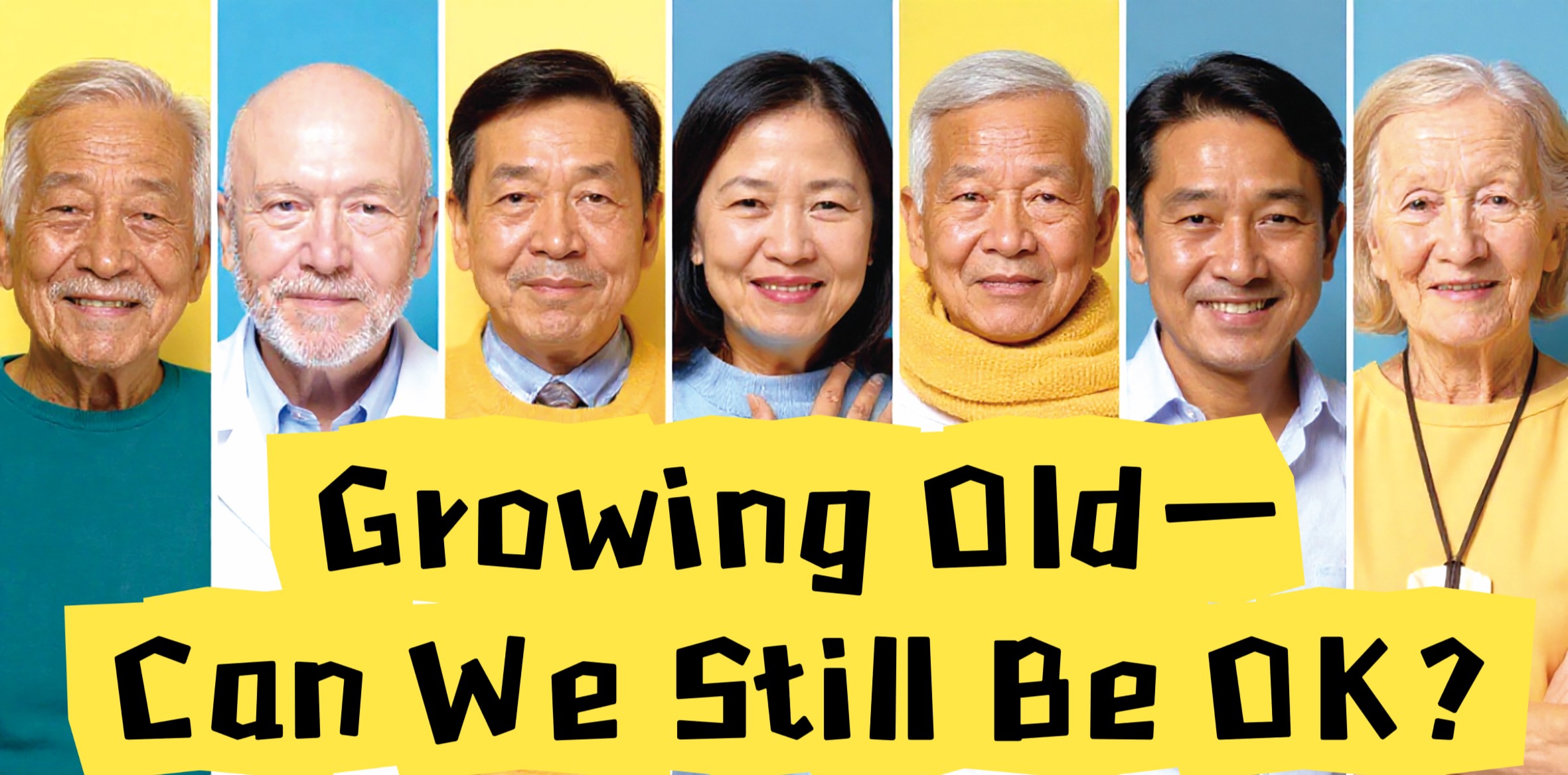
Growing Old—Can We Still Be OK?
"Twilight Years" —Does That Mean We Can't Anymore?
There is a folk song from Xinjiang, later adapted by Wang Luobin into The Song of Youth.1. Through the imagery of the setting sun and fading flowers, it contrasts the fleeting nature of life with the little bird of youth that will never return. Though the melody is lively, it carries a quiet sense of melancholy and inevitability.
Many people react with fear at the mention of “old age.” Getting old not only means growing in years and experiencing physical changes, but it also often brings anxiety about one’s own abilities, dignity, and role in society. As the population ages, incidents and abnormal behaviors involving the elderly have become increasingly frequent, drawing greater public attention.
Looking at serious incidents: In 2019, an 87-year-old man in Tokyo's Ikebukuro lost control of his car, killing a mother and daughter, shocking all of Japan. In May 2025, a 78-year-old man in Sanxia, Taiwan, drove into a crowd of students leaving school; including the driver himself, this resulted in 4 deaths and 12 injuries. In July, a 91-year-old female driver in Australia lost control and drove onto a sidewalk, hitting three family members—grandparents and grandchild—killing both grandparents and critically injuring the young child. Looking at minor issues: taking advantage of one's age to bully others, grabbing seats on public transportation, and square dancing at all hours and locations, which not only occupies public space but also creates noise pollution, among other things.

Photo credit: United Daily News Global Corner (global.udn.com) / Associated Press
These incidents challenge people's perceptions of the elderly's role, raise societal safety concerns about older adults, and reflect intergenerational conflicts in an aging society. Many online platforms, when discussing issues related to the elderly, gradually reveal an "anti-elderly" mentality, filled with sarcasm and impatience toward older people, adding further negative associations to "advancing age and twilight years."
Growing old—can we still be OK? This is a question that society as a whole should contemplate.
Age Should Not Be a Label
When the media frequently features negative news about the elderly, it easily causes society to develop prejudices, equating "advanced age" with being a burden, incompetent, overestimating one's abilities, stubborn, unwilling to step aside... These narratives not only hurt countless elders who work hard, live with purpose, and contribute to their families and society, but also gradually erode trust and respect between generations.
There's no denying that as we age, the physical body gradually declines, but what truly makes us old is our mindset. The root of many problems is not age itself, but whether people can promptly recognize changes and are willing to make adjustments when facing them. For example, maintaining an interest in learning about ever-changing technology rather than stubbornly adhering to one's existing lifestyle in complete ignorance. When changes occur in physical and cognitive abilities, being able to face them honestly and make reasonable adjustments.
While aging may reduce the ability to process information, it is cognitive rigidity and difficulty accepting new ideas that truly cause aging. Ecclesiastes 4:13 says: "Better a poor but wise youth than an old but foolish king who no longer knows how to heed a warning." If a person can maintain an open mind and preserve a certain level of interest and enthusiasm for the world; if they are willing to try new things and explore new areas, they are more likely to find spiritual fulfillment, naturally maintain a youthful mindset, and further stabilize their physical functions.
Age should not become a label or an indicator that determines personal value. Elderly seniors can still participate in various activities, learn new things, exert influence after role transitions, and maintain enthusiasm and meaning in life to resist the anxiety of aging.
French writer Romain Rolland said: "There is only one true heroism in this world: to see the world as it is, and to love it." When a person is willing to face the reality of aging, actively adjust their mindset, and seek new positioning and meaning for their life, that is a true warrior.
Responsibility and Dignity
As mentioned earlier, when facing advancing age, what's most frightening is not physical decline, but lacking "self-awareness" of various changes. Beyond keeping one's lifestyle current with the times, when physical and cognitive abilities begin to decline, can one promptly recognize this and make adjustments? Such self-awareness is not pessimistic resignation, but rationally facing physiological changes. Taking responsibility for oneself and others is the core of "elderly self-awareness" and an attitude that maintains responsibility and dignity. If seniors can detect problems early and make adjustments, they can greatly reduce accident risks, slow the pace of decline, and spare their families additional burdens.
Mrs. Chen, who lived alone, had always been capable of self-care. Over the past year, she began forgetting things, often not remembering whether she had taken her medication or taking it twice. During phone calls with her children, she repeatedly mentioned the same things, and even she found it strange. Noticing these changes, her daughter accompanied her to see a doctor for a simple cognitive test, which revealed significant memory decline. She was diagnosed with mild cognitive impairment.2Because of Mrs. Chen's self-awareness, her family was able to respond early and help her adjust her life, such as assisting with installing medication reminder apps and an electronic calendar; having regular weekly companionship for shopping and organizing daily necessities; and encouraging her to participate in senior social activities to slow decline. Mrs. Chen's life became more structured and she experienced less anxiety. Although her memory continued to decline, it did not deteriorate further into dementia.
Mr. Lin, recently retired, felt he wasn't yet elderly and was accustomed to driving himself to buy groceries and helping transport his grandchildren. Over the past few months, when driving at night, he always felt the oncoming headlights were blinding and couldn't see road signs clearly. Once while turning, he nearly hit the sidewalk and was alerted by a pedestrian. Mr. Lin noticed these problems and proactively visited an ophthalmologist, where he was diagnosed with early-stage cataracts. He therefore accepted the advice to avoid night driving and scheduled surgery. After his vision recovered post-surgery, he resumed driving. This prevented dangerous driving and protected both his own safety and that of others.
When facing the aging changes of the body, what's most important is not denial but acceptance. Seniors should undergo regular health assessments, especially capability tests related to mobility safety, such as vision, hearing, muscle strength, balance, reaction speed, and so on. If they discover health concerns, they should courageously seek help and choose more suitable lifestyle options. They must also overcome the fear of being obsolete, knowing that retirement doesn't mean disability, and advanced age doesn't mean dullness.
Proverbs 16:31 says, “Gray hair is a crown of glory; it is gained in a righteous life.” God’s Word reminds us that even as we grow older, we should continue to walk in the path of righteousness and fulfill our responsibilities, rather than becoming a burden to society. In doing so, our gray hair becomes a symbol of honor—bringing dignity, not ridicule.
Generations are not meant to oppose one another, but to understand and support each other.
In the face of an aging society, young people are bearing heavier pressures, yet resources, job opportunities, public spaces, and welfare continue to be dominated by the elderly. Adding to this, the media often uses derogatory terms to describe older adults—such as “crazy old man,” “shameless old woman,” or “stubborn old fool.” As a result, a quiet yet growing sense of age-based resentment, or “ageism,” has begun to take root in society.
In fact, many incidents or inappropriate behaviors among the elderly are not the fault of an entire generation. More often, they stem from a lack of support systems and an inability to adjust to life changes. Rather than mocking or criticizing older adults, can we try to understand their circumstances and inner struggles? Can we help them adapt to new technologies and keep up with a changing world, instead of judging them through fixed stereotypes? At the same time, the elderly should also adjust their attitudes, seek to understand the younger generation’s perspectives, and work together to build mutual understanding and support across generations.
Take the family as an example: Eighty-year-old Grandma Li loves talking on the phone with her grandchildren, while her granddaughter, Xiaowen, finds “constant phone calls annoying” and prefers to communicate through text messages or Instagram stories. To maintain their bond, Grandma Li has learned to read LINE messages and check Xiaowen’s Instagram stories to stay updated on her life. In turn, Xiaowen makes an effort to call her grandmother once a week or send a short voice message—helping Grandma Li feel loved and valued.
Take the workplace as an example: Ah-Xun, a Gen Z employee, is used to communicating through LINE, WeChat, or Slack and prefers flexible hours and remote work. His 60-year-old supervisor, Manager Chen, on the other hand, values face-to-face meetings and a regular 9-to-5 schedule. Through open dialogue, they come to understand each other’s perspectives, expectations, and work preferences. Ah-Xun realizes that what Manager Chen truly values are responsibility and team cohesion. Therefore, he agrees to provide regular progress updates while maintaining flexible work hours to show accountability. Meanwhile, Manager Chen understands that Gen Z emphasizes efficiency and work-life balance. He becomes willing to experiment with new methods such as LINE presentations or virtual meetings, respecting younger employees’ work habits. With mutual respect, both sides achieve greater efficiency and trust.
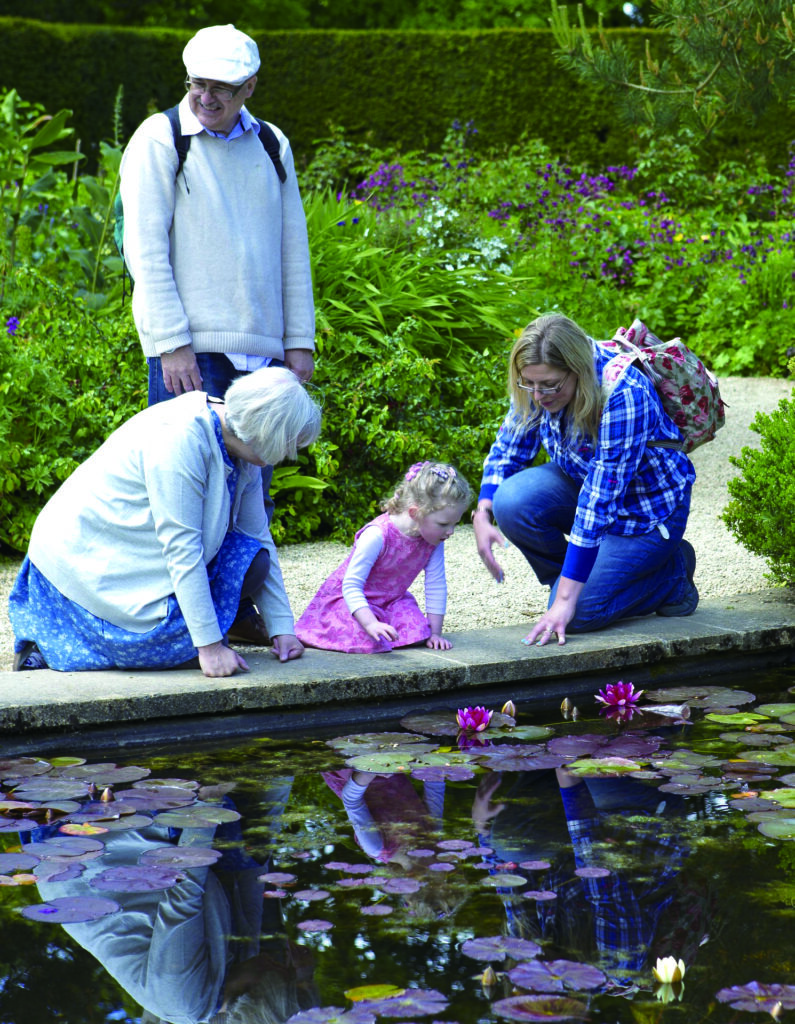
A mature society should enable people of different generations to appreciate one another and complement each other. "The glory of young men is their strength, and the splendor of old men is their gray hair." (Proverbs 20:29) Both strength and years come as gifts from God, and each should respect and cherish the other.
The key to intergenerational understanding lies in "respecting differences, willingness to communicate, and finding common ground." There is no need to force complete agreement with each other; as long as we are willing to think from the other's perspective and acknowledge the wisdom and value in each other's life journey, we can establish good interaction and supportive relationships.
Growing Old -- Can We Still Be OK or Not?
For most people, "getting old" is a reality that will eventually be faced. When you're old, can you still do it or not? This is a question everyone needs to ponder. Life comes from the Creator; the meaning and value He gives to life does not and should not be limited by age.
The 2021 Korean drama "Navillera" explores passion and pain, regret and reluctance in life through the interactive perspectives of a 70-year-old man and a 23-year-old young person. It poses a question: "In this one and only life, what would make you feel happy?" Through its unfolding plot, it reminds people: "Do you harbor a dream in your heart? It's not too late. While your steps still have strength and your mind is still clear, if there's something you want to do, go realize it without hesitation! Keep striving until the very end."
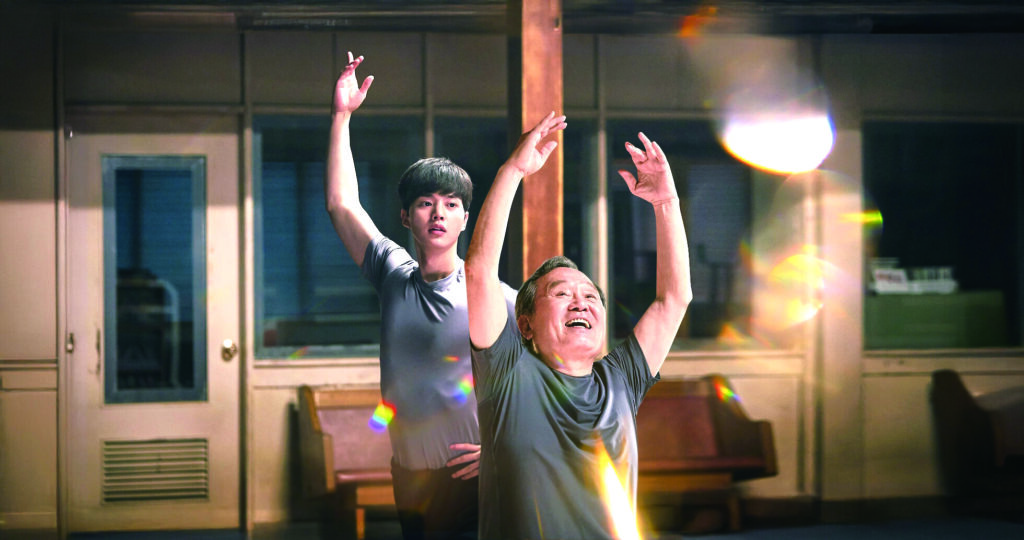
Image source: Netflix official website https://www.netflix.com/title/81403966
Doesn't Deuteronomy also say: "As your days, so shall your strength be." God will grant strength according to our needs and the challenges we face; regardless of age, we should not give up on our dreams and hopes.
For those in the prime of their youth, it seems difficult to imagine what being old is like; it's hard to empathize with the elderly's slowness, stubbornness, and anxiety. The Lord Jesus taught: "Therefore, whatever you want men to do to you, do also to them, for this is the Law and the Prophets." (Reference: Matthew 7:12) Empathy that puts oneself in another's shoes is extremely precious. If young people can have more understanding and patience toward the elderly, with less prejudice and impatience, they are also paving the way for their own old age. If the elderly can be self-aware and confident, not forget their responsibilities, maintain their dignity, and continue learning and growing, they can also recreate the value of life.
If everyone could think a bit more for others, they would naturally become channels of God's grace, allowing young people to no longer fear aging, and enabling the elderly to enjoy the twilight of life, creating an "aging together" society. When you're old, can you still do it or not? Of course you can! As long as you have the will, even slow steps can move forward.
Note
- "Song of Youth" is a Chinese minor-key song adapted by Wang Luobin from a Xinjiang Uyghur folk song. The lyrics describe themes of the sun setting and rising again, flowers blooming each year, but youth being like a beautiful bird that flies away never to return.
- Mild Cognitive Impairment (MCI) is a transitional stage between normal aging and dementia. It is not dementia, but it means that cognitive functions such as memory, attention, and language abilities are worse than those of peers of the same age, and more pronounced than general aging.
Walking Together in Hope — On the 20th Anniversary of the South Asia Tsunami and the 14th Anniversary of the 3.11 Japan Earthquake and Tsunami
楔子 2004年12月26日,聖誕剛過,清晨的陽光和煦地撒在印度洋的海面上,閃爍著粼粼的波…Love to Hear You Speak
How can you abandon your martial arts skills when you retire? Read the article "A Light Boat Has Crossed Ten Thousand Mountains" written by Yang Xuejing in the housekeeping section of the 74th issue of your magazine - Talking about the road to retirement after sailing through thousands of sails...The sky is full of clouds: Planning for retirement
[Practical Chapter] If life is compared to a long river, meandering down with time, whether it is high mountains or low valleys; whether it is stormy waves or downstream, the boat of life...